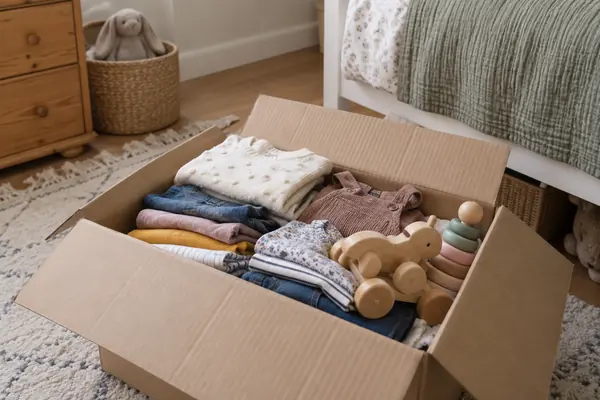
THE ALLOWANCE
Up to £1,000 tax free
The trading allowance is a tax exemption of up to £1,000 a year for income from self-employment, casual services and hiring out personal equipment.
Check your sales doodlehobby
Start
WHAT HMRC GUIDANCE SAYS
Selling things you made is different from clearing out a cupboard.
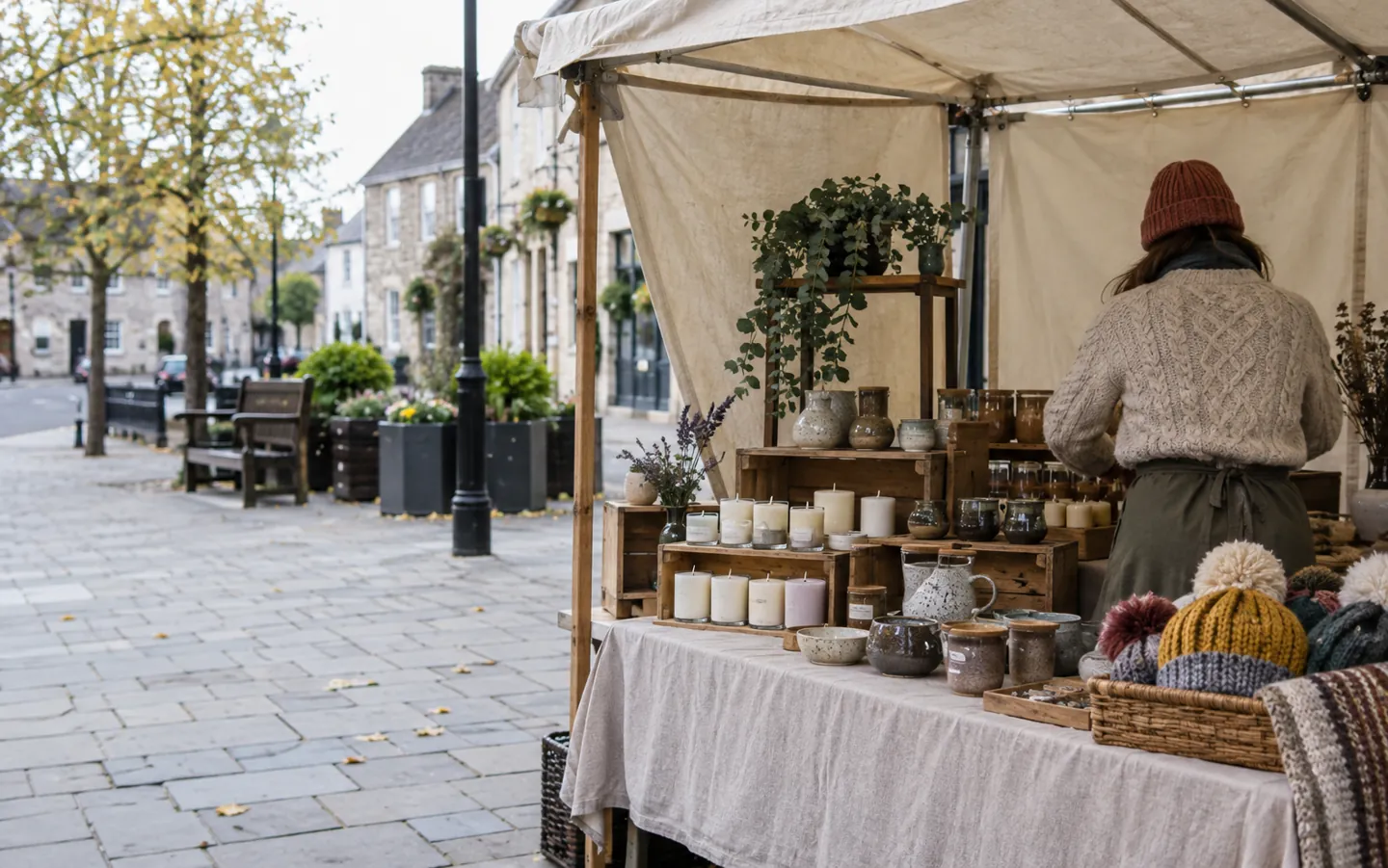
HMRC treats making or buying items to sell for profit as trading, while selling your own unwanted belongings usually is not. The first £1,000 of trading income each tax year is covered by a tax-free allowance.
£1,000trading allowance a year
Check your salesKeep in mind
THE SHORT ANSWER
The £1,000 allowance covers gross trading income,
from all your side activities together.
THE ALLOWANCE
The trading allowance is a tax exemption of up to £1,000 a year for income from self-employment, casual services and hiring out personal equipment.
Check your salesMAKING TO SELL
HMRC says making items to sell for profit, such as Christmas decorations or upcycled furniture, may be taxable trading. Over £1,000, you need to tell HMRC.
What to doDECLUTTERING
Selling unwanted personal belongings doesn't usually need reporting. HMRC stresses there is no new tax on occasional online selling.
Platform rulesA QUICK SALES CHECK
Pick a situation to see what HMRC guidance says. The bar shows how likely it is that you need to tell HMRC.
General information from HMRC guidance. Other income and circumstances can change the answer, so use HMRC's free online checker if unsure.
TWO NUMBERS WORTH KNOWING
One number for tax, one for when online platforms
share your sales data with HMRC.
£1,000
Tax-free trading income each tax year
Gross income, before expenses. Above it, you can deduct the £1,000 allowance instead of actual expenses, or claim expenses if they are higher.
ALLOWANCE · HMRC
30 sales
Sales that trigger a platform report
Or roughly £1,700 (€2,000) a year. Since 2024, platforms must share these sellers' data with HMRC, but it is not a new tax.
PLATFORM REPORTING · HMRC
HMRC-commissioned research published in 2023 suggested 1 in 10 people in the UK operate in the hidden economy, many of them side hustlers unaware they should register.
FOUR STEPS FOR HOBBY SELLERS
These steps follow HMRC's guidance on side income.
Step 1
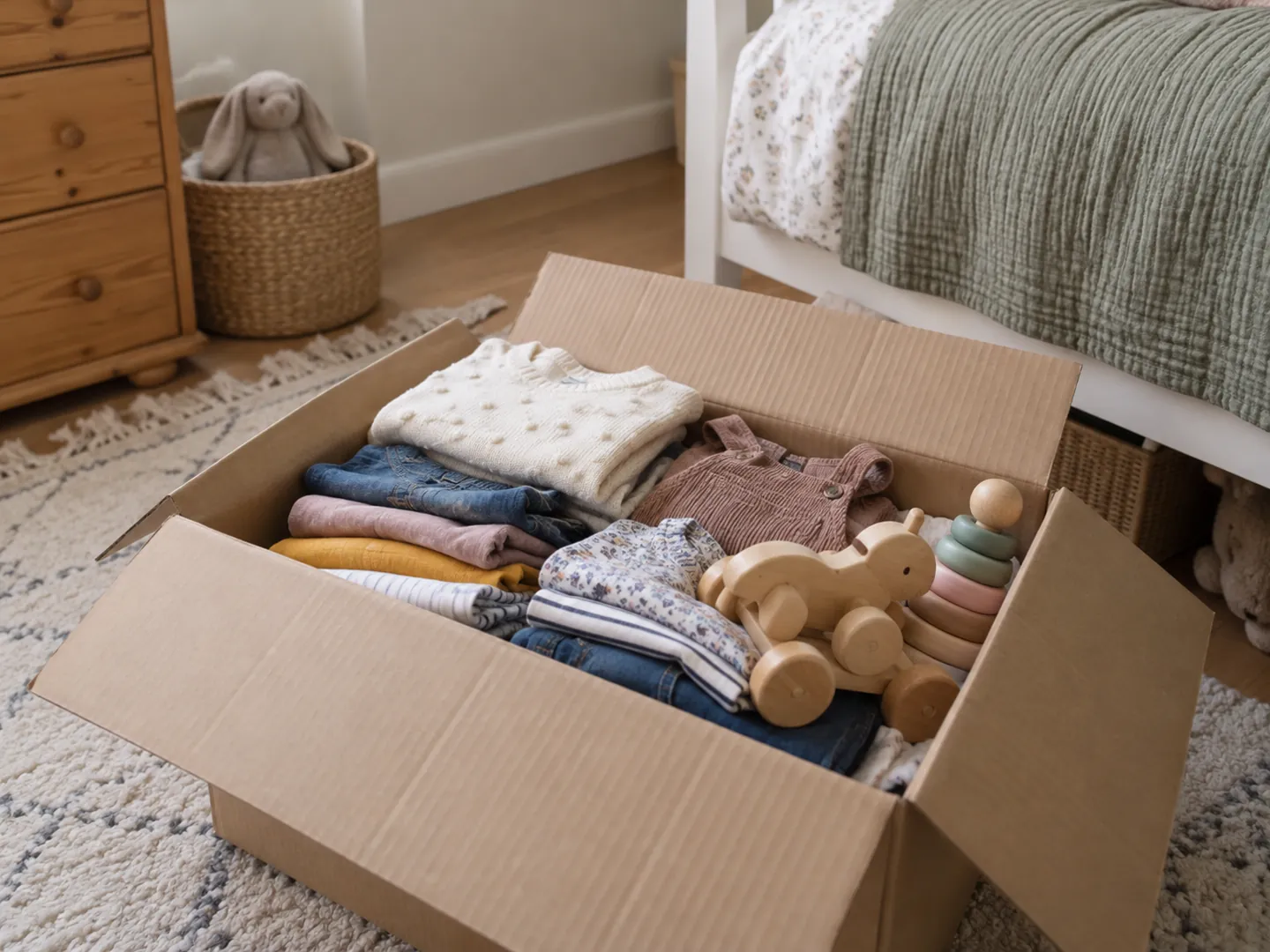
Selling your own unwanted things is different from making or buying items to sell for profit.
Step 2
The £1,000 allowance covers all trading activities combined, before expenses, across the tax year.
Step 3
Even if you stay under £1,000 and use full relief, HMRC says you must keep records of the income.
Step 4
If unsure, HMRC's online checking tool says whether you need to tell it about extra income.
ABOVE £1,000

If your gross trading income is over £1,000, you can deduct the £1,000 allowance instead of your actual expenses, known as partial relief. If your expenses are higher than £1,000, claiming them may work out better.
The allowance does not apply to trading income from a partnership, or to income from a company or employer connected to you. The Low Incomes Tax Reform Group notes that platform reports simply make it easier for HMRC to spot unpaid tax.
Questions
Usually not. HMRC says if you are not trading and just occasionally sell unwanted items online, there is no tax due, and there is no new tax for online selling.
A tax exemption of up to £1,000 a year for individuals with trading income, such as self-employment, casual services like gardening, or hiring out personal equipment.
In total. HMRC says the threshold applies to all trading activities combined, so £600 of craft sales and £500 from content creation would need registering.
Not automatically. Platforms must report sellers with 30 or more sales or about £1,700 a year, but HMRC says sharing data does not mean you must complete a tax return.
HMRC points to buying goods for resale, making goods to sell for profit, and offering paid services through a platform, such as delivery driving or letting a holiday home.
Destination
Updated
ABOUT THIS NAME
doodlehobby.com is part of the DoodleSale portfolio. It isn't in an auction right now, but you can ask about leasing it.